Bridging Science, Sustainability, and Communication: Ayşe Doğrubak at Universcience Young Scientific Talents Week
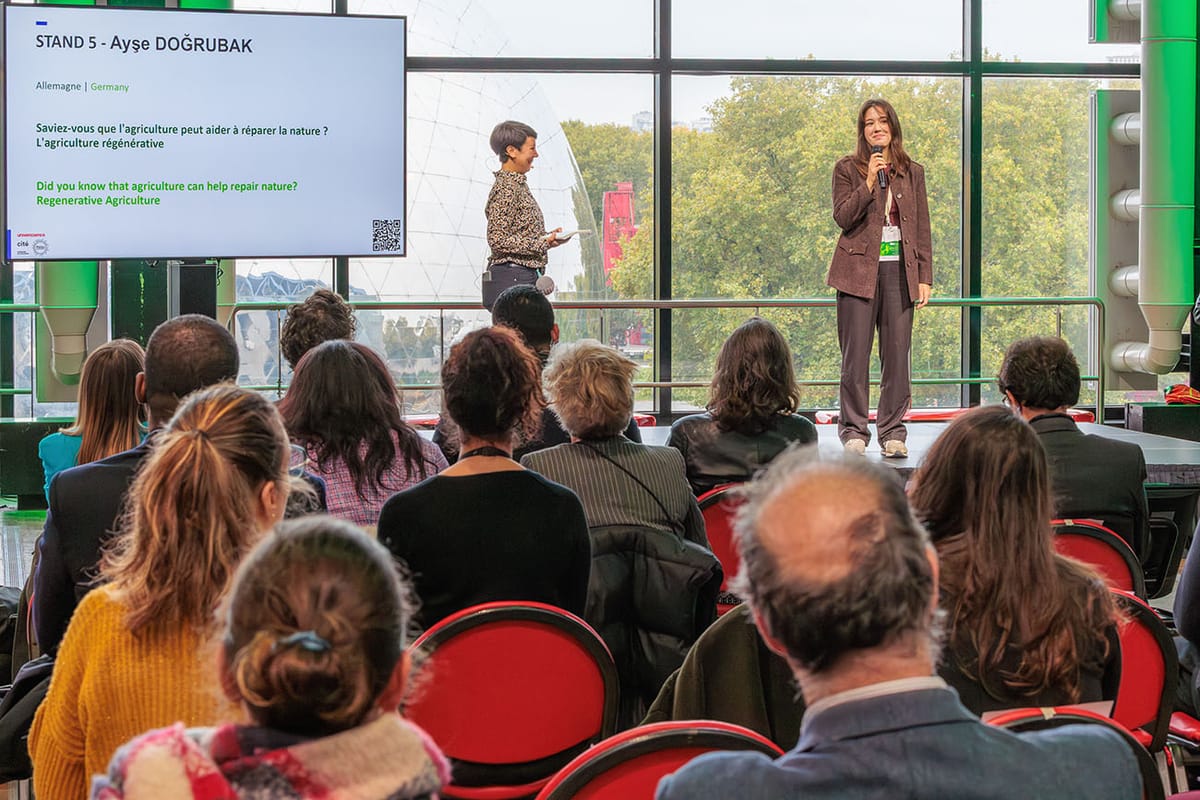
Last month, Ayşe Doğrubak, PhD researcher at the Sustainability Education and Transdisciplinary Research Institute (SETRI) and UNESCO Chair in Higher Education for Sustainable Development, participated in the Universcience Young Scientific Talents Week (the Residency of Young Scientific Talents) held in Paris from October 11–16, 2025. Organised by Universcience, a French public institution that brings together two major science centers in Paris, La Cité des sciences et de l’industrie and Le Palais de la Découverte, with support from the Ministry for Europe and Foreign Affairs, this residency provides a week of exchange and dialogue among participants at the Cité des sciences et de l’industrie. The scientific partnership of the residency is provided by the Research Institute for Agriculture, Food and the Environment (INRAE) and the Research Institute for Development (IRD). Ayse's participation in this programme was made possible by the support of the French Embassy in Germany.
Organised under the theme “Sustainable Agriculture, Biodiversity, and Gardens,” the residency gathered young scientists who are engaged in science communication and conduct research on sustainable agriculture and biodiversity from around the world to explore creative ways of communicating science and sustainability. Throughout the week, participants engaged in hands-on workshops, scientific mediation activities, and demonstrations. Several visits to partner sites are scheduled, including the INRAE site in Versailles, the Albert-Kahn Departmental Museum, and the National Museum of Natural History. They also had the opportunity to present their research in short public sessions to Universcience staff and institutional partners, including German Embassy representatives in France: Ayşe presented her PhD study on regenerative agriculture in the scope of learning, social networks, and communication. Her research on how transition processes are actualised toward regenerative agriculture examines scientific literature and real-life food communities in Türkiye and focuses explicitly on learning and communication processes, as well as the social networks related to regenerative agriculture.
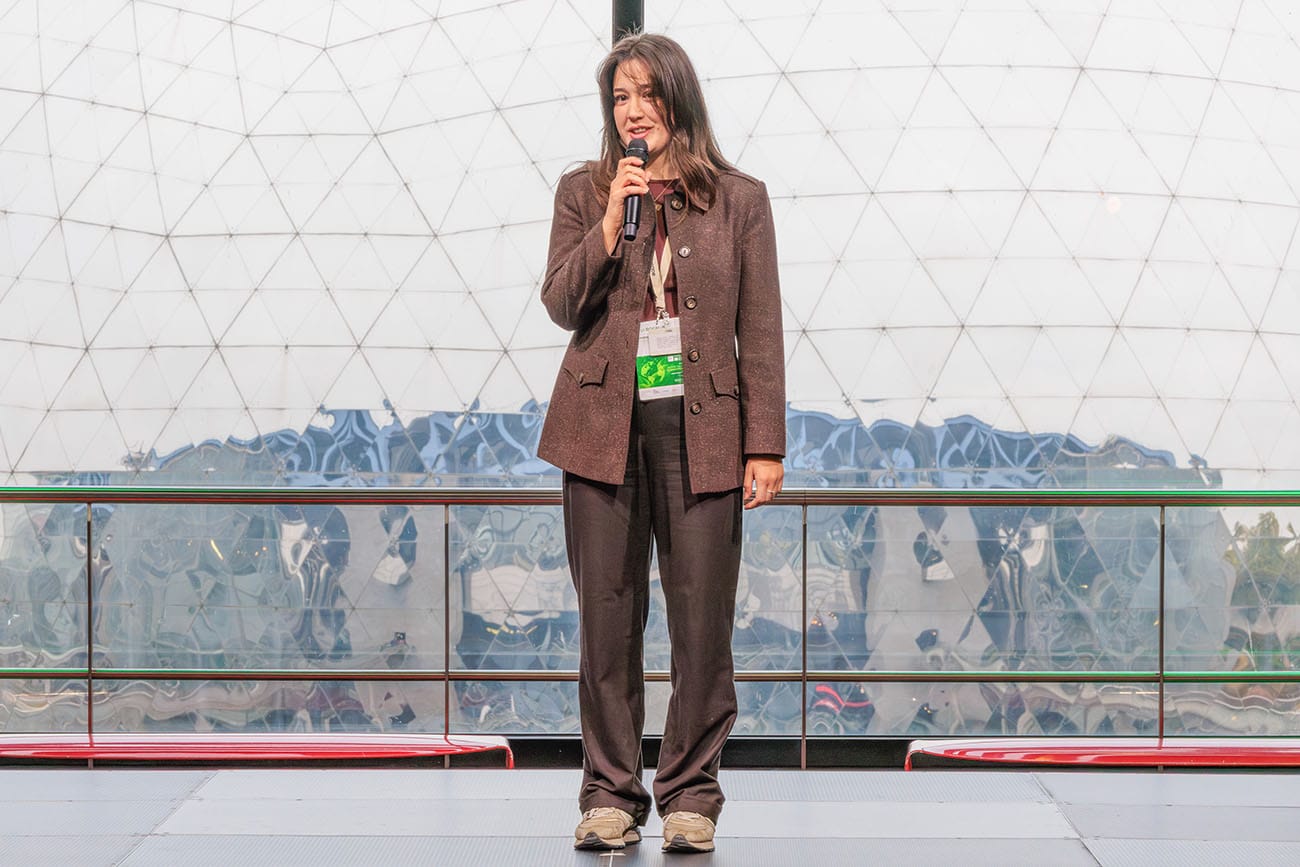
Looking back on her experience in Paris, Ayşe shared:
“It was an exciting experience that gathered experts and practitioners from around the world who are passionate about "bringing science to life and making it accessible". It's fascinating to see how science can be shared through practice, innovation, and interactivity instead of just theory alone.”
We warmly congratulate Ayşe on her participation in this programme and look forward to seeing how her experience in Paris will further inspire our collective work on Education for Sustainable Development.